5 Essential Hand Signals Every Scuba Diver Should Know
When you are scuba diving, verbal communication is no longer an option. Once underwater, divers rely on hand signals to communicate clearly with their buddy, instructor, or dive guide.
Understanding the most important scuba diving hand signals is essential for safety, teamwork, and enjoying a relaxed dive. Whether you are taking your first diving course or already have many dives behind you, these five basic signals should always be familiar.
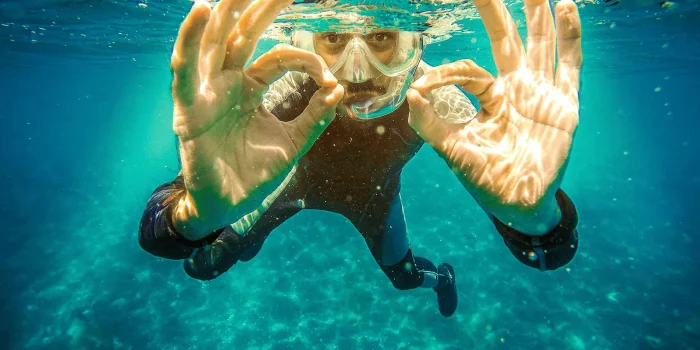
1. OK
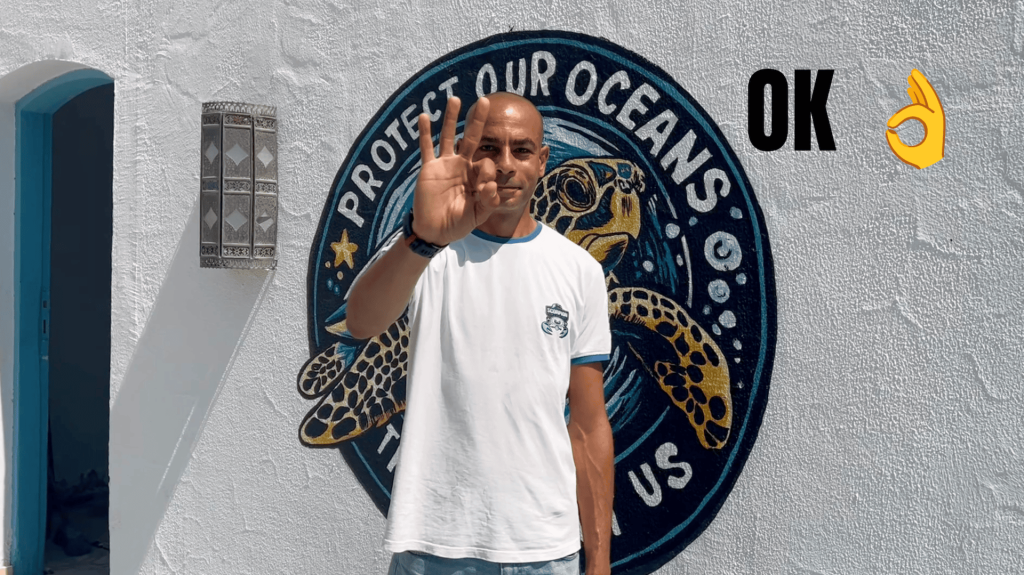
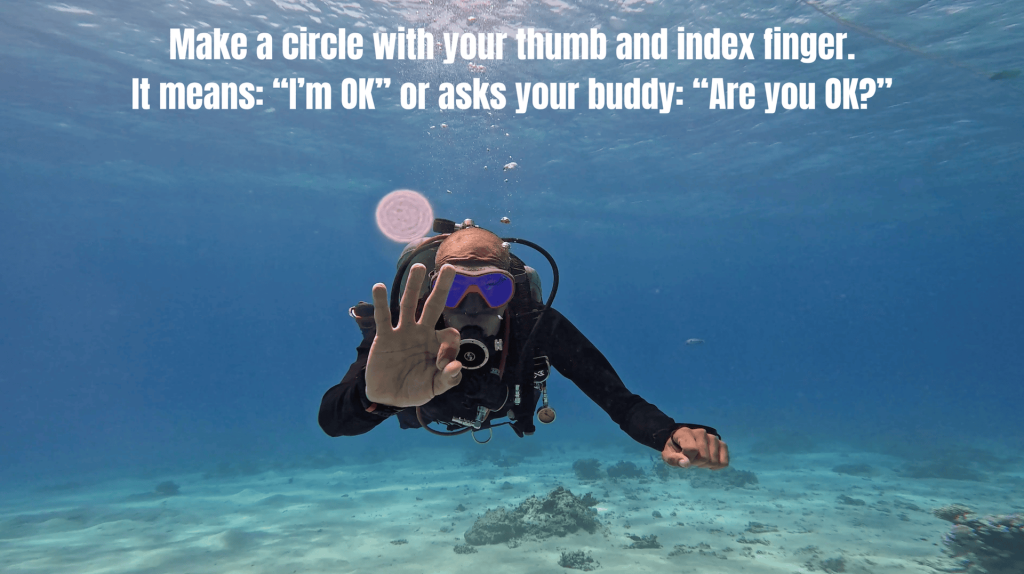
The OK signal is probably the most commonly used hand signal in scuba diving.
To make the signal, form a circle using your thumb and index finger while keeping the other three fingers extended.
It can mean: ● “I am OK.” ● “Are you OK?” ● “Everything is fine.”
If your buddy or instructor gives you the OK signal, you should always respond. It is important to remember that the traditional thumbs-up gesture does not mean OK underwater. In scuba diving, a thumbs-up has a completely different meaning.
2. Problem
If something is wrong during the dive, you need to communicate it quickly and clearly.
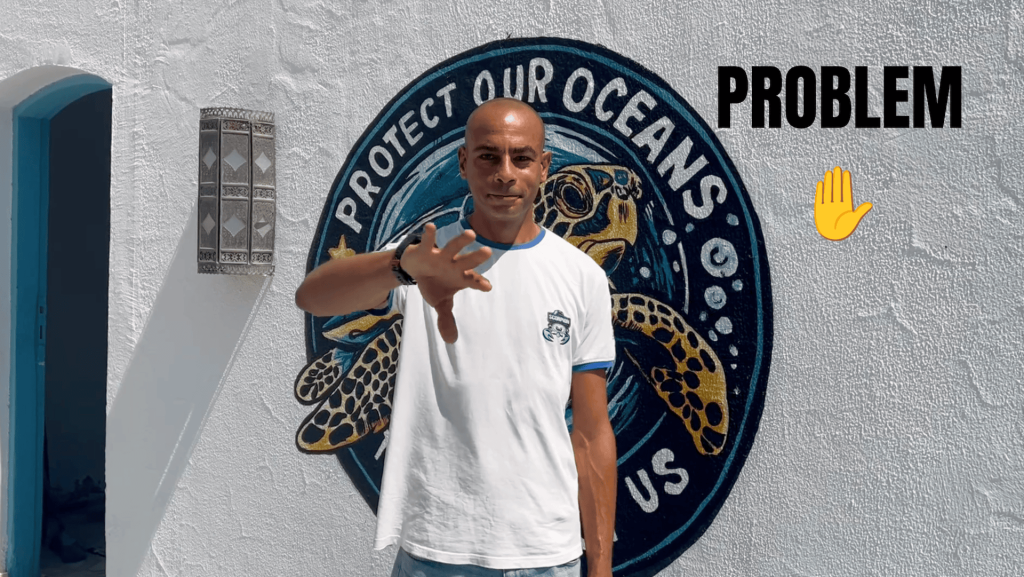
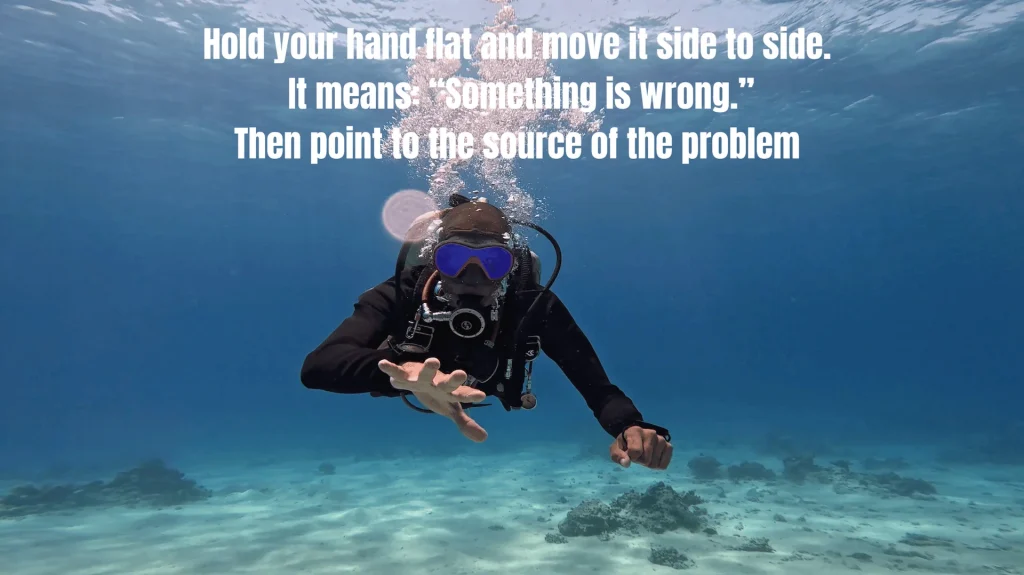
To indicate a problem, hold your hand flat with the palm facing downward and move it gently from side to side.
After giving the signal, point toward the source of the problem.
For example, you might point to: ● Your ear if you are having difficulty equalizing. ● Your mask if water is entering. ● Your regulator if you are experiencing a breathing issue. ● Your equipment if something does not feel right.
Good underwater communication allows your buddy or dive professional to understand the situation and assist you appropriately.
Never ignore discomfort or a problem underwater. Communicate it immediately.
3. Up
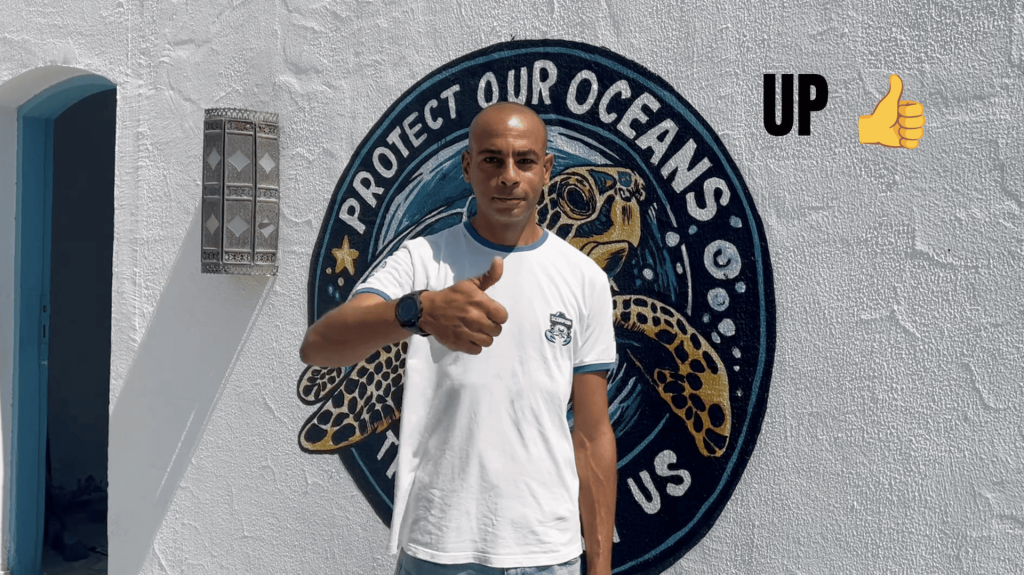
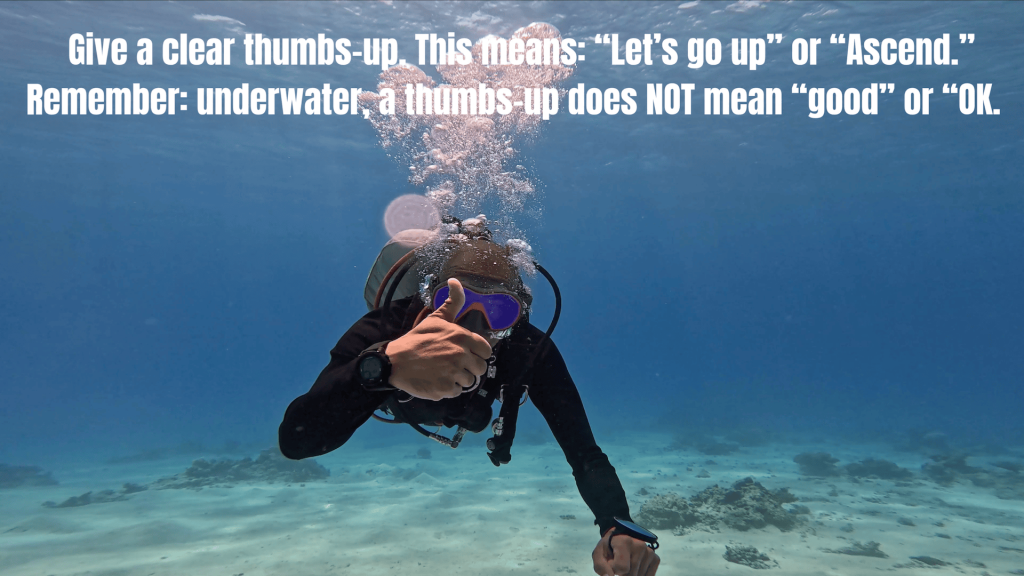
A thumbs-up signal means:
“Go up” or “Ascend.”
This is one of the most important differences between everyday gestures and scuba diving signals.
On land, a thumbs-up usually means that everything is good. Underwater, however, it means that you want or need to ascend toward the surface.
When the signal is given, the other diver should acknowledge it before beginning a controlled ascent.
Divers should always ascend slowly and follow the procedures established during their training and dive briefing.
4. Down
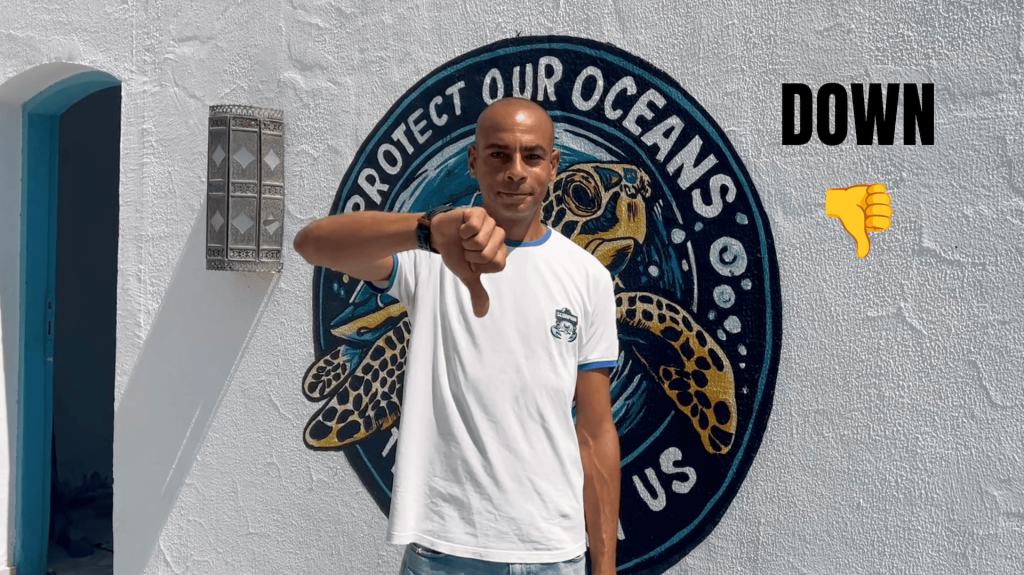
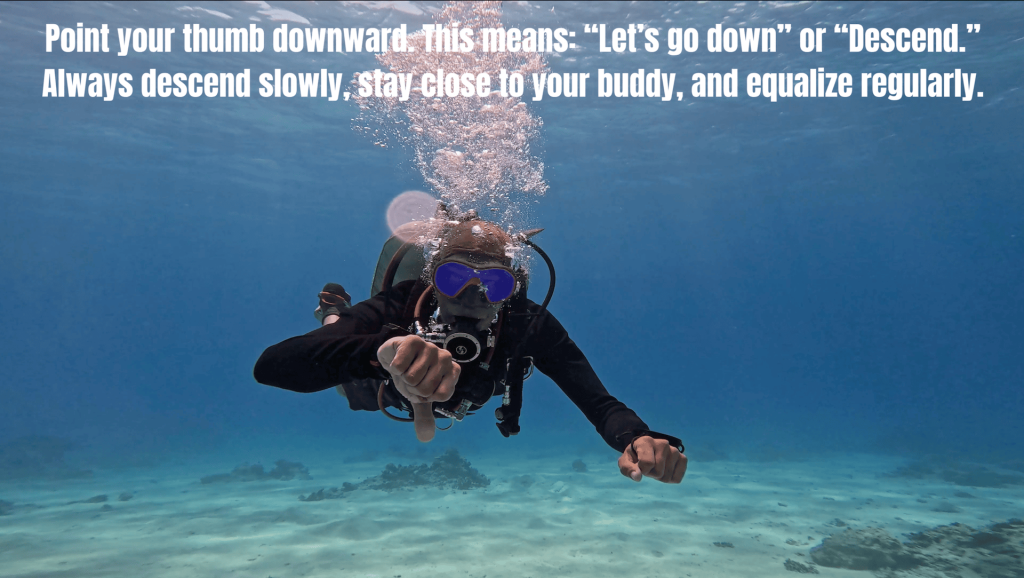
A thumb pointing downward means:
“Go down” or “Descend.”
Dive guides and instructors commonly use this signal when the group is ready to start descending.
During the descent, divers should stay close to their buddy, maintain control of their buoyancy, and equalize their ears regularly.
If you experience difficulty equalizing or feel uncomfortable during the descent, stop and communicate the problem rather than continuing deeper.
5. End the Dive
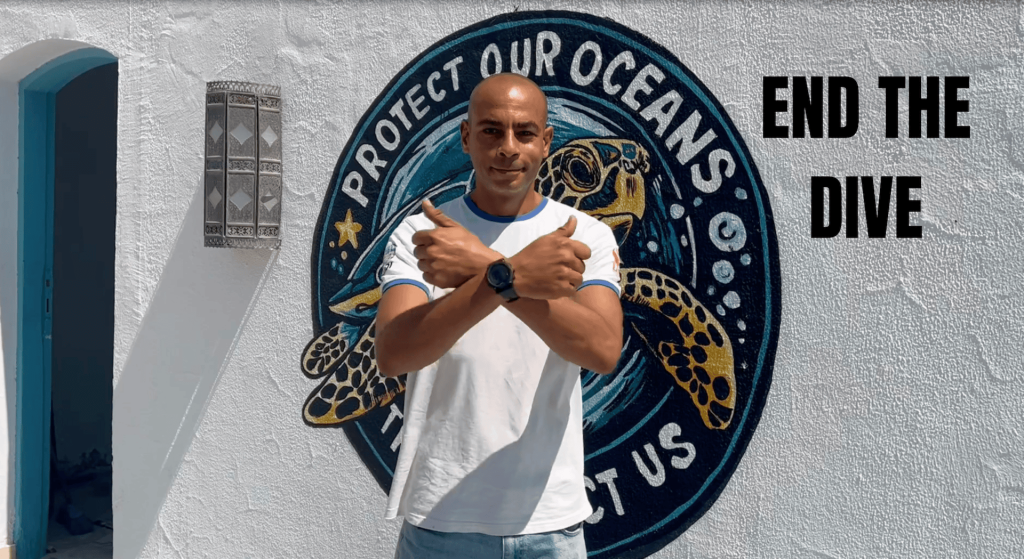
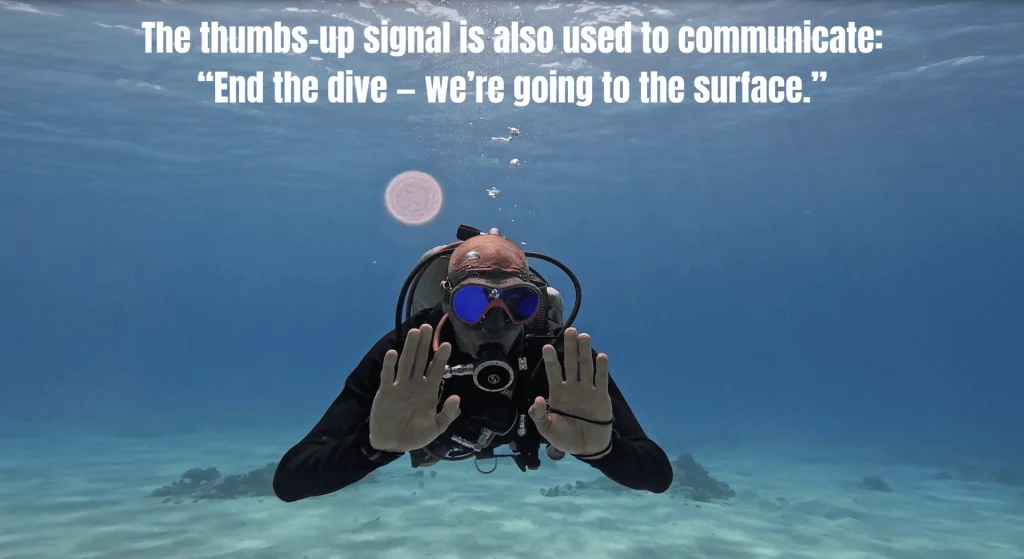
The thumbs-up signal is also used to indicate that the dive should end and the divers should return toward the surface.
Depending on the situation, your instructor, guide, or buddy may signal that it is time to finish the dive because of factors such as: ● The planned dive time. ● Remaining air supply. ● Dive conditions. ● A diver feeling uncomfortable. ● The planned dive profile.
Once the signal is understood, divers begin the ascent according to their dive plan and training.
Ending a dive is a team decision. Clear communication between buddies helps everyone reach the surface safely and comfortably.
Why Diving Hand Signals Are So Important?
Scuba diving is a buddy activity, and communication plays an important role in keeping every dive organized and safe.
Before entering the water, divers should review the main signals during the dive briefing, especially when diving with a new buddy or in an unfamiliar environment.
Knowing how to communicate underwater helps you: ● Alert your buddy when something is wrong. ● Confirm that everything is OK. ● Coordinate ascents and descents. ● Follow your dive guide’s instructions. ● React calmly when a situation changes.
The signals themselves are simple, but using them clearly can make a significant difference underwater.
Always Communicate Clearly
Never assume that your buddy understands what you mean.
Make your signals slowly and clearly, maintain eye contact whenever possible, and wait for confirmation before taking action.
Remember the five essential signals:
OK — Problem — Up — Down — End the Dive
Learning these signals is one of the first steps toward becoming a confident and responsible diver.
At Scorpion Dive Club in Sharm El Sheikh, our instructors and dive guides review underwater communication with divers before entering the water, helping beginners and experienced divers enjoy their dives safely and comfortably.
Know the signals. Stay connected with your buddy. Dive safely.